
A resource for patients, clinicians, and researchers navigating the rapidly evolving landscape of cannabis medicine — written from the front line of clinical practice.
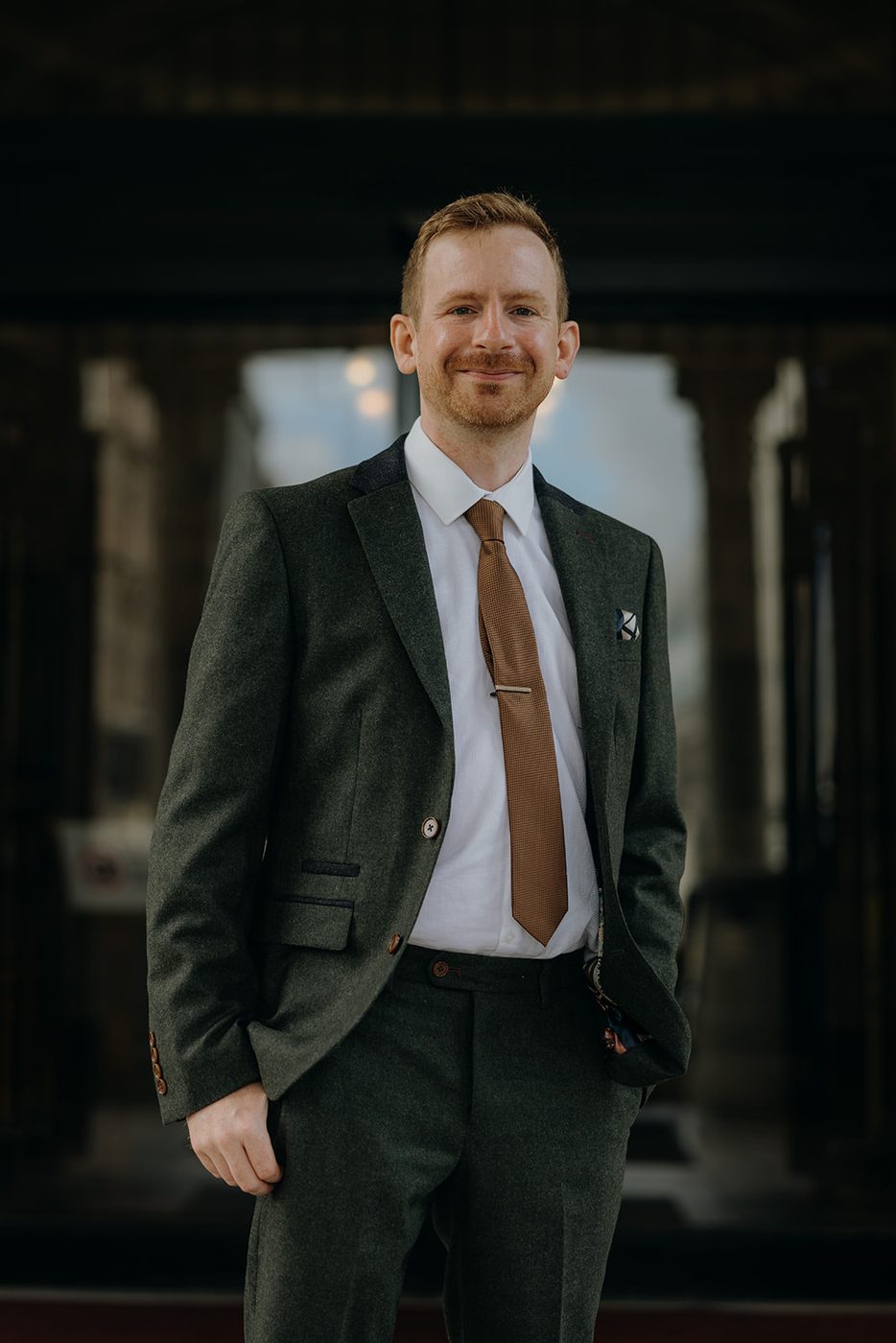

The Medical Cannabis Clinicians Society is an independent body of over 500 UK clinicians producing national prescribing guidance, CPD-accredited training, and good-practice standards. Its work includes a national cannabis oil dosing guide, training police forces on the law around medical cannabis and driving, advising the APPG on medical cannabis policy, and supporting emerging medical cannabis frameworks internationally, from Greece and Poland to Jamaica and Barbados. As an Executive Committee member, Richard contributes to clinician education and clinical guidance, and appeared as a panelist at the London Cannabis Symposium in 2025.
Clinical rotations across neurology, psychiatry, general practice, paediatric surgery, and care of the elderly, alongside work in neurodevelopmental assessment clinics, acute care, and with unaccompanied asylum-seeker children. Working in East Leicester general practice, Richard learned to conduct clinical examinations in Gujarati to serve his patient community. This breadth of experience, from safeguarding medicals for trafficked children to neurology clinics dominated by functional disorders, shaped a consulting style built on meeting every patient where they are, whatever their background or circumstances.
Richard worked as a care coordinator in an Early Intervention in Psychosis service in South Tottenham, supporting young people through a first episode of psychosis using CBT and trauma-informed practice. Most of his patients were cannabis users from a deprived part of the city, many had migrated to the UK, and most carried significant childhood adversity. That combination is known to raise the risk of psychosis, and working closely with these young people taught him something the textbooks did not: cannabis was rarely the root cause, but often the way they managed extraordinary levels of trauma and stress. When the pressures flowing into a person's life exceed what they can drain away, the result is crisis. That insight, that you must address what fills the bucket rather than simply blame the tap, still shapes how he assesses risk, history, and cannabis use today.
— Dr Richard Hazlett"This site is where I write about the research I find compelling, the clinical questions I keep encountering, and the conversations that matter most in cannabis medicine right now. The site itself is new, but many of the articles here draw on reflections I have been collecting and anonymising over several years of practice. Writing has always been how I process the clinical complexity and emotional weight of caring for vulnerable patients every day, and gathering those notes in one place felt like a natural next step. If you are a clinician, researcher, journalist, or organisation working in this space, I am glad to connect."
Clinical commentary, research discussion, and reflections on the practice of cannabis medicine.
Endometriosis affects around one in ten women of reproductive age, and a diagnosis still often takes the better part of a decade. The interesting question is not simply whether cannabidiol helps, but why?
Ask most people what causes the warm glow after a good run and they will tell you endorphins. The molecules doing most of the work belong to a system most people have never heard of, even though every one of us is running it every second of every day.
Dr Stefan Broselid, Scientific Lead of the MCCS, recently gave a lecture on the endocannabinoid system that I would recommend to any clinician, whether or not they are involved in cannabis medicine.
Indica and Sativa are terms both patients and clinicians find genuinely useful, a simple way to discuss night-time and daytime medicines that is accessible and easy to grasp. But if the chemistry does not back the distinction up, are we just perpetuating a confusion that becomes harder to unpick over time?
CBD is a potent CYP2C19 inhibitor. Clopidogrel depends almost entirely on that enzyme to do its job. This is an interaction that deserves careful clinical attention.
ResearchSeveral high-profile systematic reviews on cannabis and chronic pain came out last year. The headlines were all over the place. Here is what the data actually shows, and where the honest uncertainties lie.
ClinicalAfter thousands of follow-up consultations, consistent patterns have emerged in what helps patients engage with cannabis medicine productively. Chief among them: addressing the misconceptions that almost every patient arrives with.
ReflectionsThe question patients ask me most often is not about dosing or strains — it is why a conventional GP ended up here. The honest answer is longer than I usually have time for in clinic.
If you are interested in my work, please reach out. I'm happy to have a chat whether you are a patient with a question, a clinician wanting to connect, a researcher looking for collaboration, or a journalist seeking expert comment.